See every dependency.
Model every consequence.
Model network topology, dependencies, chokepoints, and blast radius in a digital twin built from verified Internet routes and reachability data.
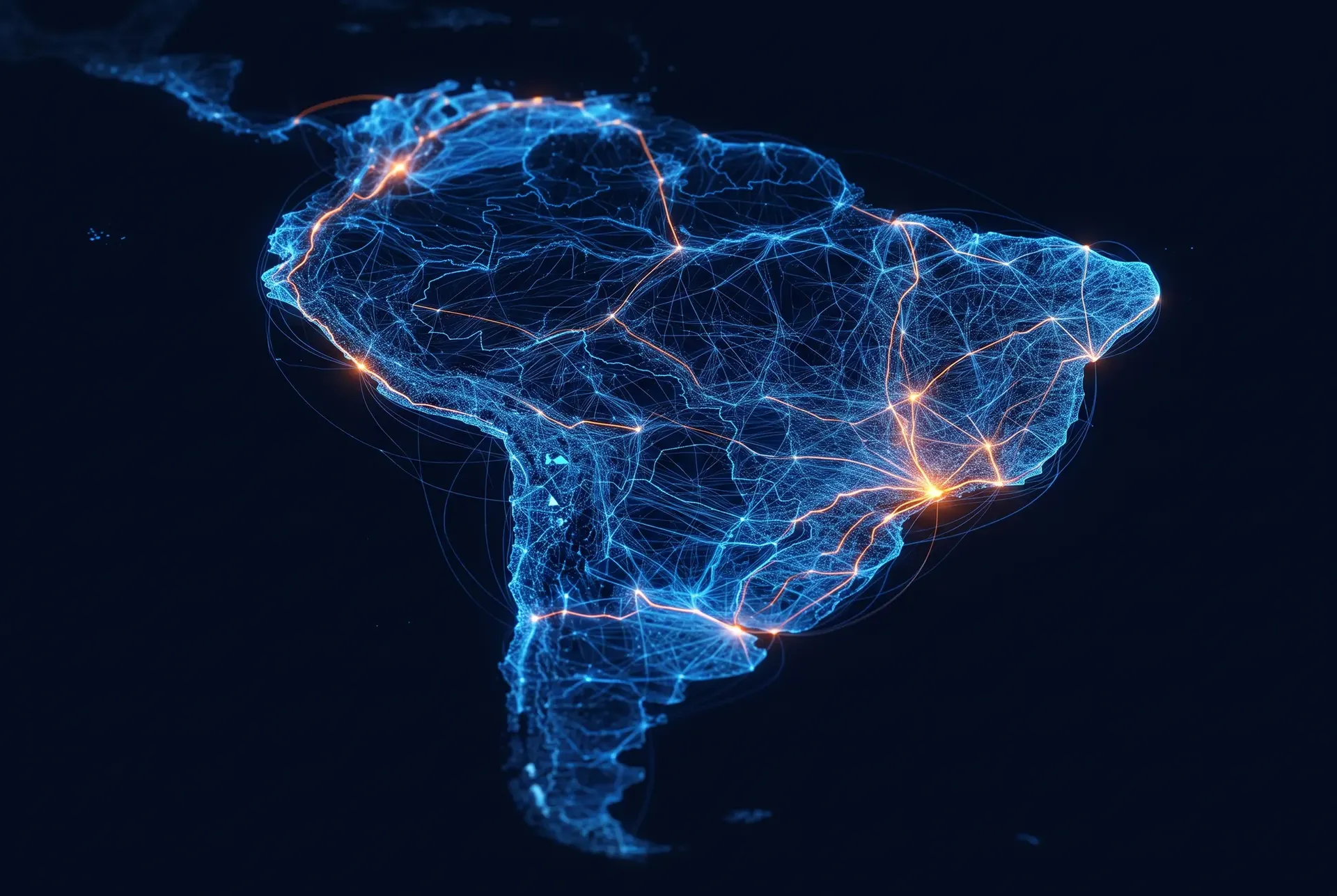
See the global topology
Move from autonomous-system relationships to enterprise edges.
Simulate disruption
Model provider, region, and route failures before they happen.
Accelerate triage
Move from global anomaly to the responsible route or dependency.
The Internet becomes an operational model
The topological digital twin turns abstract route tables and endpoint observations into a queryable visual model that technical and non-technical teams can explore together.
Dependency mapping at Internet scale
Model how providers, peers, customers, regions, and enterprise assets connect across the public Internet.
- Expose hidden upstream and third-party dependencies
- Identify transit concentration and single points of failure
- Trace paths from global backbone to enterprise edge
Blast-radius and what-if modeling
Test the operational impact of a provider compromise, route withdrawal, or geopolitical isolation before a real event forces the decision.
- Simulate the loss of an upstream or peering relationship
- Map every internal and external asset exposed to the event
- Compare alternative paths and redundancy strategies
Visual incident investigation
Use multiple levels of detail to move quickly from a global routing storm to the exact network relationship behind it.
- Spot the geographic or topological epicenter of an anomaly
- Zoom into individual ASes, paths, and edge networks
- Give NOC, security, and executive stakeholders a shared view
What is a network digital twin?
A network digital twin is a queryable model of providers, routes, paths, assets, and dependencies that helps teams explore how Internet infrastructure is connected and changing.
How does a network digital twin help model blast radius?
It traces upstream and downstream dependencies so teams can estimate which assets and services may be affected by a provider, route, or regional disruption.
What data keeps the digital twin current?
Internet Mapper combines real-time Internet route and path vectoring, active IPv4/IPv6 reachability, and verified state transitions to maintain the model.
Know what the Internet means for your infrastructure
See how Internet Mapper can reveal dependencies, model disruption, and turn global routing telemetry into action.